Somali Transport & Allied Workers Unions

admin

Bajaj drivers are making a tough decision on paying $27 for motorcycle safety.

In response to the proposed $27 fee for motorcycle safety by Bajaj drivers, tensions rise as they grapple with a challenging decision.Secretary General Abdullahi Abdirahman of the Somali Transport and Allied Workers Union (SOTAWU) emerges as a prominent figure opposing this decision. Abdirahman’s strong stance reflects the concerns of a significant portion of the drivers within the union. He contends that such a fee places undue strain on the drivers, many of whom may be struggling financially. The Secretary General advocates for alternative solutions that prioritize the drivers’ well-being without imposing an extra financial burden. This disagreement underscores the complex dynamics at play, balancing the imperative for safety enhancements with the financial constraints faced by the Bajaj drivers. The outcome of this deliberation holds significance not only for the drivers’ livelihoods but also for the broader discourse on safety standards within the transport sector. In conclusion, Secretary General Abdullahi Abdirahman’s opposition to the $27 motorcycle safety fee suggests a need for a nuanced approach. While emphasizing the importance of safety, Abdirahman advocates for solutions that do not unduly burden Bajaj drivers economically. The ongoing deliberations reflect a broader challenge in balancing safety measures with the financial realities of those in the transport sector. Ultimately, finding a compromise that ensures both the well-being of drivers and the enhancement of safety standards remains a critical objective for all stakeholders involved.

Somali Transport and Allied Workers Union (SOTAWU) has emerged as a strong advocate for workers’ rights and interests in the transportation sector.

Somali Transport and Allied Workers Union (SOTAWU) has emerged as a strong advocate for workers’ rights and interests in the transportation sector. By actively engaging in political advocacy, SOTAWU has played a crucial role in influencing policies and laws that directly affect workers. Through their participation in policy dialogues, SOTAWU has provided a platform for workers to voice their concerns and contribute to discussions surrounding labor-related issues. By sharing their insights and experiences, they have helped shape policy decisions that prioritize the well-being and rights of transport and allied workers. SOTAWU’s lobbying activities have been instrumental in raising awareness among lawmakers and policymakers about the challenges faced by workers in the transportation sector. Through effective lobbying efforts, they have successfully brought attention to issues such as fair wages, safe working conditions, and improved labor standards. Additionally, SOTAWU has actively contributed to the development and refinement of labor-related legislation. By providing input and recommendations, they have influenced the drafting of laws that better protect workers’ rights, promote fair employment practices, and establish mechanisms for resolving labor disputes. The dedication and commitment of Somali Transport and Allied Workers Union (SOTAWU) to political advocacy have made them a prominent voice for workers in the transportation sector. Their efforts have contributed significantly to shaping policies and laws that prioritize the interests and well-being of workers, ultimately leading to a more equitable and just work environment.

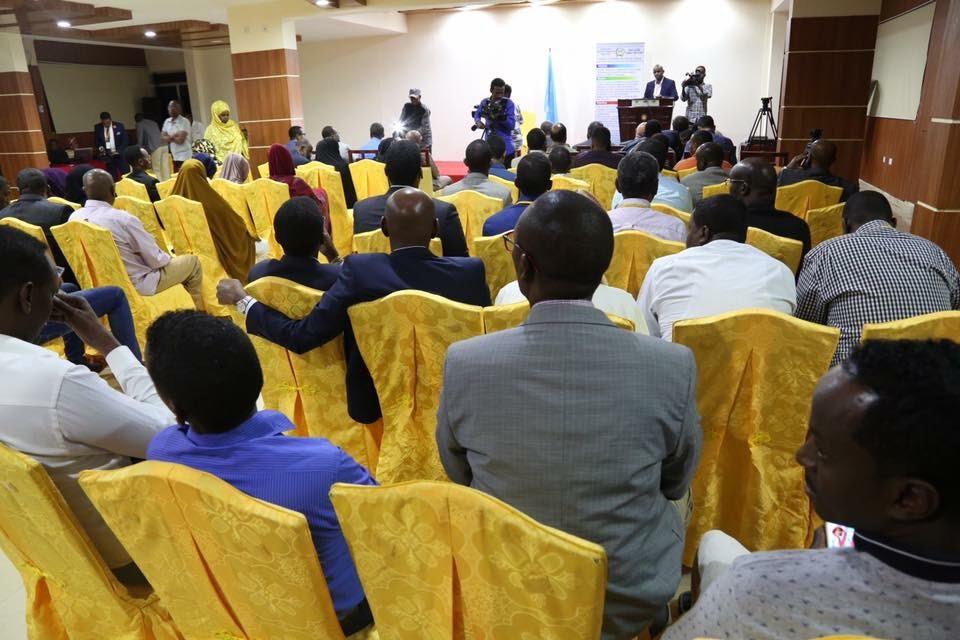
SOCOTU headquarters in Mogadishu hosted an important meeting organized by the Somali Transport Workers Union (SOTAWU).

The meeting organized by Somali Transport Workers Union(SOTAWU) aimed to address the disturbing issue of Bajaj motorcycle driver killings allegedly carried out by Somali government forces. The event drew the participation of SOTAWU members and influential leaders from the civil society sector. The meeting at SOCOTU headquarters shed light on the escalating concerns surrounding the targeted violence against Bajaj motorcycle drivers. Reports suggest that these drivers, who provide an essential mode of transportation in Somalia, have been subjected to a series of brutal attacks. Allegedly perpetrated by government forces, these killings have raised alarm bells within the transport worker community and broader civil society. During the gathering, members of SOTAWU and civil society leaders passionately discussed the need for immediate action to halt the ongoing violence and protect the lives of Bajaj motorcycle drivers. Participants shared personal accounts of affected drivers and emphasized the urgency of addressing this issue comprehensively. The meeting also saw calls for increased transparency, accountability, and an impartial investigation into the alleged involvement of Somali government forces in the targeted killings. Attendees stressed the importance of establishing a safe working environment for Bajaj motorcycle drivers, who play a crucial role in providing affordable transportation options for the local population. As the news of the meeting spreads, it is expected to generate significant public attention and catalyze discussions on the protection of transport workers’ rights in Somalia. The outcome of this gathering could potentially influence policy decisions and pave the way for positive changes in ensuring the safety and security of Bajaj motorcycle drivers. The Somali government has not yet released an official statement in response to the meeting or the allegations made against its forces. However, given the growing concerns expressed by SOTAWU and civil society leaders, it remains to be seen how the government will address the issue and take measures to prevent further violence. This gathering serves as a powerful reminder of the importance of fostering a safe and inclusive working environment for all members of society. The eyes of the nation now turn to the Somali government as stakeholders and the public eagerly await their response to the pressing concerns raised during this significant meeting at SOCOTU headquarters.

Somali Transport Allied Workers Union Protests Government Decision Restricting Moto Bajaj Operations

The Somali Transport Allied Workers Union (SOTAWU) expressed strong opposition to the recent decisions made by the Cabinet of Ministers of Somalia that targeted Moto Bajaj operations in Mogadishu. The union argued that these decisions would jeopardize the livelihoods of many individuals who have created jobs for themselves in the transport sector. Effective April 1, 2023, the government suspended the importation of Bajaj motorcycles, and motorcycles altogether, instructing the country’s ports not to import these vehicles. Furthermore, between April 1 and April 30, a comprehensive count of existing Bajaj motorcycles was mandated, with a requirement to affix special marks (A and B) to them. The Banadir Regional Administration was tasked with overseeing this operation. Additionally, starting from May 1, the issuance of motorcycle license plates has been temporarily suspended until further notice. The Ministry of Transport and Aviation of the Federal Government of Somalia, along with the Banadir Region administration and national security agencies, have been entrusted with implementing these decisions. The SOTAWU strongly believes that the government should prioritize creating employment opportunities for the nation’s unemployed youth rather than rendering individuals who have managed to establish their own businesses jobless. They argue that the Moto Bajaj industry has served as a significant source of income for many young people who have been able to support themselves and their families through these entrepreneurial endeavors. The union further emphasizes that the transport sector, particularly the Moto Bajaj industry, has played a crucial role in addressing transportation challenges in Mogadishu, providing affordable and efficient transportation options for both residents and visitors. The government’s decision, according to the SOTAWU, not only threatens the livelihoods of the motorcycle operators but also impacts the accessibility and affordability of transportation for the general public. SOTAWU officials are urging the government to reconsider its stance and instead focus on developing comprehensive strategies that address youth unemployment while supporting existing small businesses in the transport sector. They propose that the government collaborate with stakeholders, including unions, to find a mutually beneficial solution that safeguards the interests of both the workers and the broader community. As the situation unfolds, it remains to be seen whether the government will respond to the concerns raised by the Somali Transport Allied Workers Union and take steps to alleviate the potential economic repercussions associated with these decisions.

Somali Transport Workers Union(SOTAWU) organized HIV/AIDS awareness in Kismayo.

The Somali Transport Workers Union (SOTAWU) organized an HIV/AIDS awareness campaign in Kismayo! HIV/AIDS awareness and prevention initiatives are crucial in combating the spread of the virus and promoting the well-being of individuals within the community. Kismayo, as a significant city in Somalia, can benefit greatly from such initiatives. By raising awareness about HIV/AIDS, SOTAWU is helping to educate transport workers and the wider community about the risks associated with the virus and how to prevent its transmission. This knowledge can empower individuals to make informed decisions about their health and take necessary precautions to protect themselves and others. It’s important to continue promoting HIV/AIDS awareness through education, outreach programs, and access to healthcare services. By working together, organizations like SOTAWU can contribute to reducing the stigma surrounding HIV/AIDS, providing support to affected individuals, and ultimately working towards the goal of an HIV-free society. Kudos to SOTAWU for their efforts in organizing the HIV/AIDS awareness campaign in Kismayo. Their dedication and commitment to raising awareness and improving the health of the community are commendable.